

5 Bathroom Remodeling Mistakes That Kill Your Home's Value (And How to Avoid Them)
- RRGC

- Oct 26
- 5 min read
Thinking about renovating your bathroom? You're not alone. Bathroom remodels are one of the most popular home improvement projects, and for good reason – they can add serious value to your home. But here's the thing: they can also completely tank your home's value if you make the wrong moves.
We've seen it happen more times than we'd like to count. Homeowners invest thousands of dollars into what they think will be their dream bathroom, only to find out later that their choices actually hurt their home's resale value. The worst part? Most of these mistakes are completely avoidable if you know what to look out for.
Let's dive into the five biggest bathroom remodeling mistakes that can destroy your home's value – and more importantly, how to avoid them.
Mistake #1: Ignoring Layout and Space Planning
This is the big one. We can't tell you how many "finished" bathrooms we've walked into where you literally can't use the toilet comfortably because there's not enough space, or where the shower door smacks into the vanity every time you open it.
Here's what you need to know: your toilet needs at least 15 inches of clearance from its center to any side wall or fixture. You also need a minimum of 21 inches of clear space in front of it. Sounds like common sense, right? Yet we see this violated constantly.

The shower situation is even worse. We've seen shower doors that hit the toilet when opened, vanities that block shower access, and layouts so cramped that using the bathroom feels like playing Tetris. These aren't just inconveniences – they're major red flags to potential buyers.
How to avoid it: Before you move a single fixture, map out your space on paper. Consider how doors swing, where people will stand, and how traffic flows through the room. If you're not sure about spacing requirements, that's exactly what we're here for. A proper bathroom remodeling consultation can save you from expensive do-overs.
Mistake #2: Skipping Proper Ventilation
This mistake might not be obvious right away, but it's a home value killer that keeps on giving. Poor ventilation leads to mold, mildew, peeling paint, and eventually structural damage. Buyers know this, and they'll run from a bathroom with ventilation problems.
The most common ventilation mistakes we see? Exhaust fans that are too small for the space, fans positioned in the wrong spot (they should capture steam from both the shower and the entire room), and the absolute worst – fans that vent into the attic instead of outside.
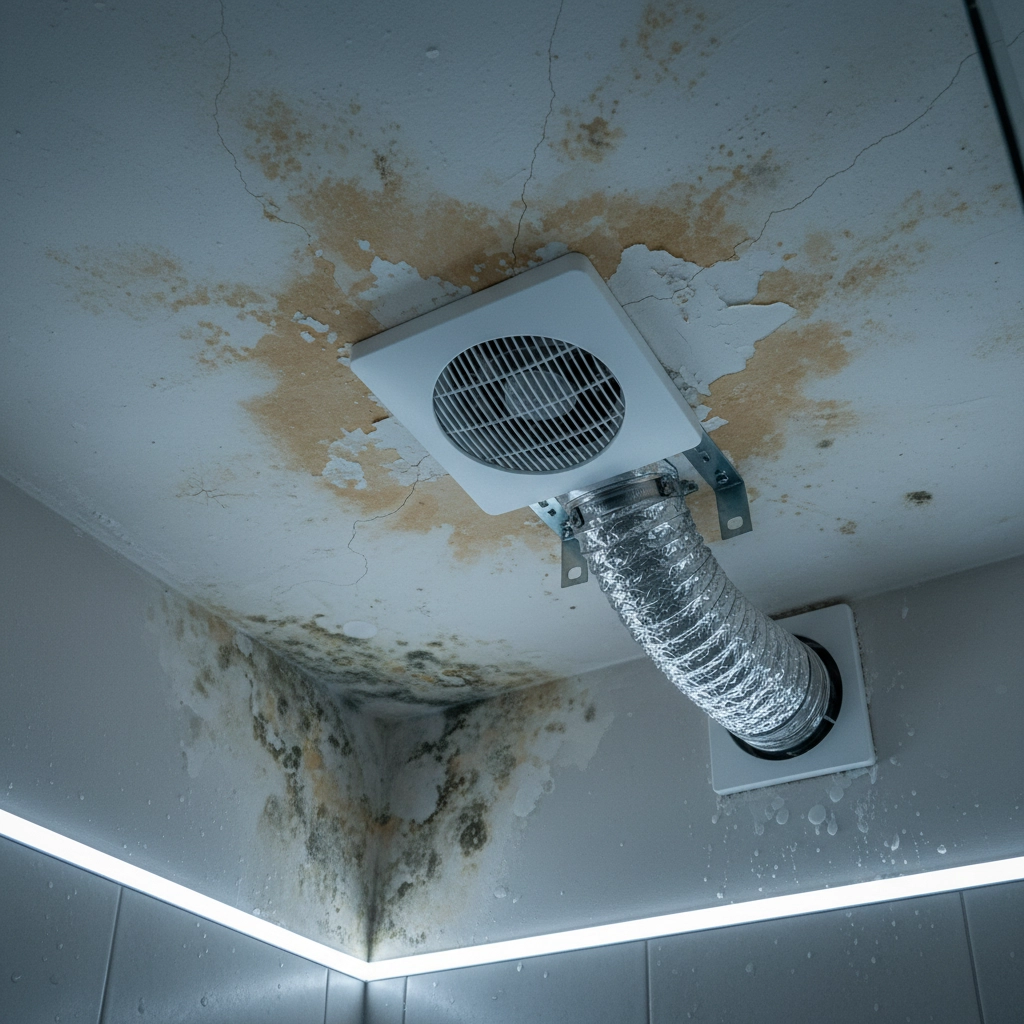
That last one is a disaster waiting to happen. All that moisture gets trapped in your attic, leading to mold growth and structural damage that can cost thousands to fix.
How to avoid it: Install a properly sized exhaust fan that vents directly outside. The general rule is 1 CFM (cubic feet per minute) per square foot of bathroom space. Position it to capture steam effectively – usually over the shower area or centrally located. And please, make sure it actually vents outside, not into your attic.
Mistake #3: Chasing Trends Instead of Timeless Design
We get it – those bold, trendy bathroom designs look amazing on Instagram. But here's the reality: what's hot today might be dated tomorrow, and buyers can be picky about highly personalized spaces.
We've seen beautiful bathrooms with gorgeous but very specific tile patterns, bold color schemes, or ultra-modern fixtures that were stunning when installed but felt dated just a few years later. The problem isn't that these designs were bad – it's that they were too specific to one person's taste.
How to avoid it: Aim for timeless design with broad appeal. Think classic subway tiles, neutral color palettes, and quality fixtures that won't look outdated in five years. You can always add personality through easily changeable elements like towels, artwork, and accessories.
This doesn't mean your bathroom has to be boring – it just means making smart choices that will appeal to the next homeowner too.
Mistake #4: Cutting Corners on Waterproofing
This is where we see the biggest disasters. Homeowners trying to save money on waterproofing is like trying to save money on a car's brakes – it's going to cost you way more in the long run.
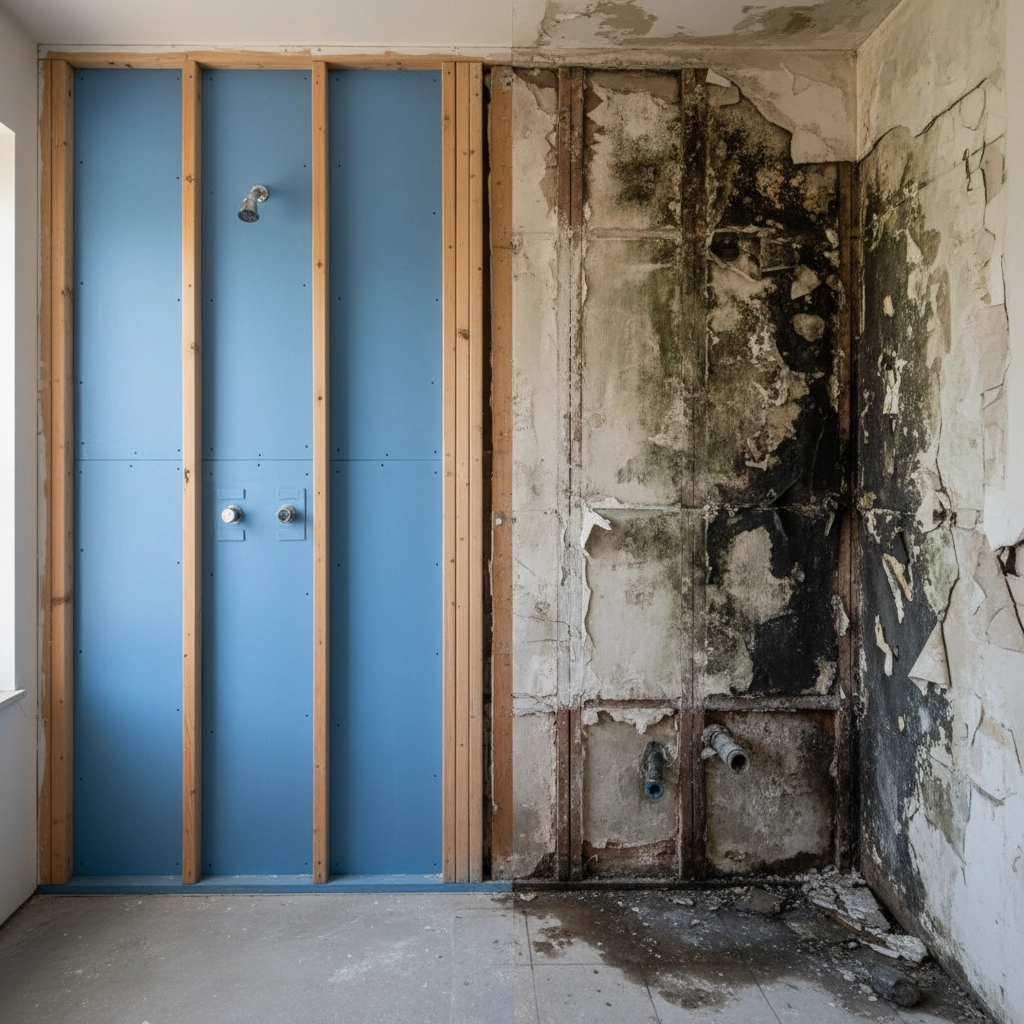
Poor waterproofing leads to water damage behind walls, subfloor rot, mold growth, and structural issues. We've had to completely tear out "finished" bathrooms because the previous contractor (or DIY homeowner) skimped on moisture barriers, used the wrong materials, or didn't properly seal wet areas.
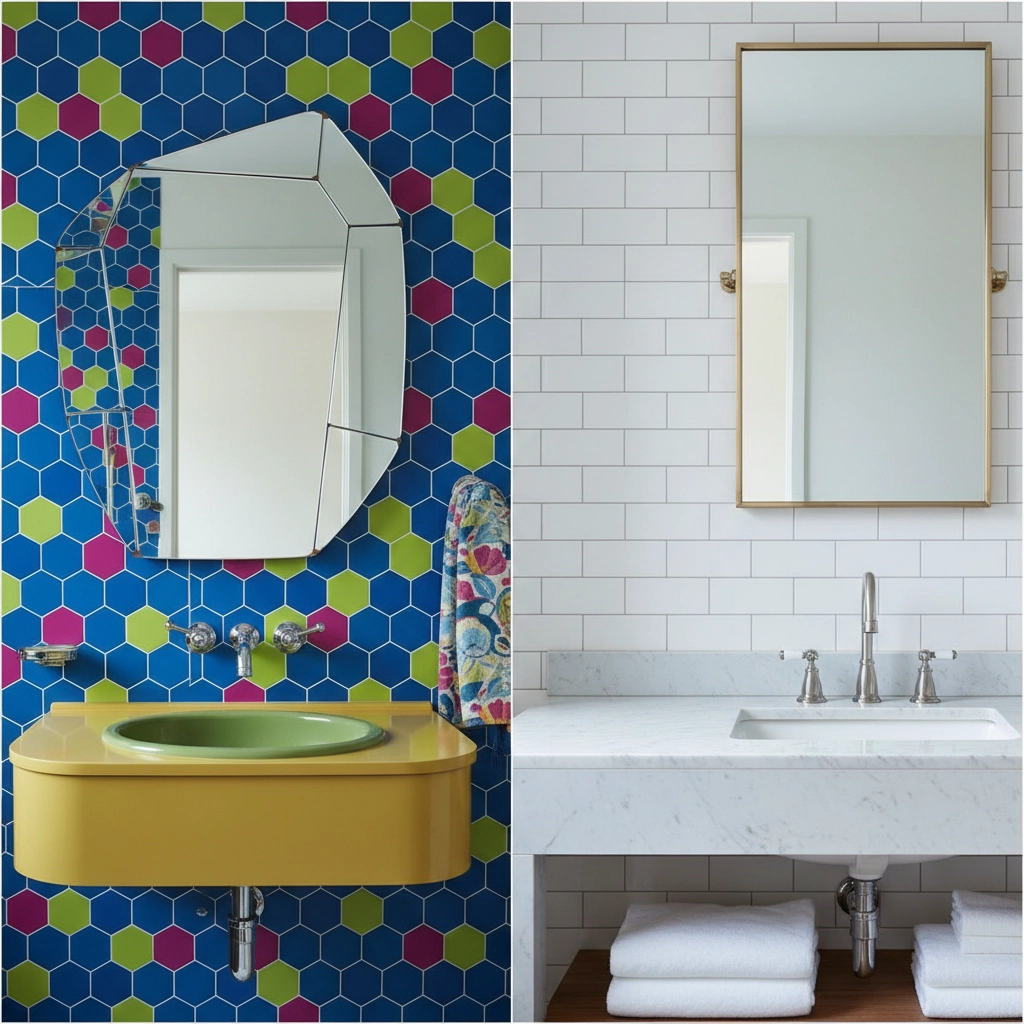
The signs are usually obvious to experienced contractors and home inspectors: soft spots in the floor, discolored grout, peeling paint or wallpaper, and that musty smell that screams "water damage."
How to avoid it: Don't skimp on waterproofing materials. Use proper moisture barriers, waterproof membranes, and make sure all wet areas are correctly sealed. Pay attention to the "small" details like quality grout work and water-resistant paint – these affect both appearance and long-term durability. Yes, it costs more upfront, but it's way cheaper than rebuilding your bathroom from the studs up.
Mistake #5: Unrealistic Budgeting and Poor Material Choices
Here's a scenario we see all the time: homeowners start a bathroom renovation with a budget of $10,000, run out of money halfway through, and either leave it unfinished or make poor material choices to "just get it done."
Both options are value killers. An unfinished bathroom is worse than an outdated one, and cheap materials that look good initially but fail quickly are obvious to potential buyers.
The other extreme is just as bad – homeowners who go crazy with expensive materials and fixtures, creating a bathroom that's way over-improved for their neighborhood. You might love that $3,000 Japanese toilet, but if you're in a neighborhood where most homes sell for $250,000, you're not going to see that investment back.
How to avoid it: Set a realistic budget from the start and add 15-20% for unexpected issues (trust us, there are always unexpected issues). Research material costs before you start, and balance quality with appropriateness for your home's value range.
Choose materials based on durability and water resistance, not just initial cost. That $2-per-square-foot tile might seem like a great deal until it starts cracking or staining after six months.
The Bottom Line
Bathroom renovations can add significant value to your home, but only if they're done right. The key is balancing what you want with what makes sense for your home and neighborhood.
Remember, your bathroom renovation isn't just about creating a space you love (though that's important too) – it's also an investment in your home's future value. Make smart choices now, and you'll thank yourself later, whether you're enjoying your upgraded bathroom for years to come or cashing in on the added value when you sell.
If you're planning a bathroom renovation and want to make sure you're making value-adding choices, we'd love to help. We've guided hundreds of homeowners through successful bathroom remodels that both improved their daily lives and boosted their home values.
Contact us to discuss your project, or check out our other renovation tips in our recent post about kitchen remodeling mistakes.
Your bathroom renovation should be exciting, not stressful. With the right planning and execution, you can create a beautiful space that adds real value to your home.


Comments