

How to Choose the Best General Contractor: 7 Questions Every Homeowner Should Ask
- RRGC

- Oct 4
- 5 min read
Finding the right general contractor can make or break your home renovation project. Whether you're planning a kitchen remodel, bathroom update, or a complete home renovation, the contractor you choose will directly impact your timeline, budget, and final results. The good news? Asking the right questions upfront can save you from headaches, cost overruns, and subpar work down the road.
Here are seven essential questions every homeowner should ask before signing on the dotted line.
1. What Type of Projects Do You Specialize In?
Not all contractors are created equal. Some excel at kitchen renovations, while others focus on new construction or commercial projects. This question helps you understand if your project aligns with their expertise and whether they have the right systems in place to handle your specific needs.
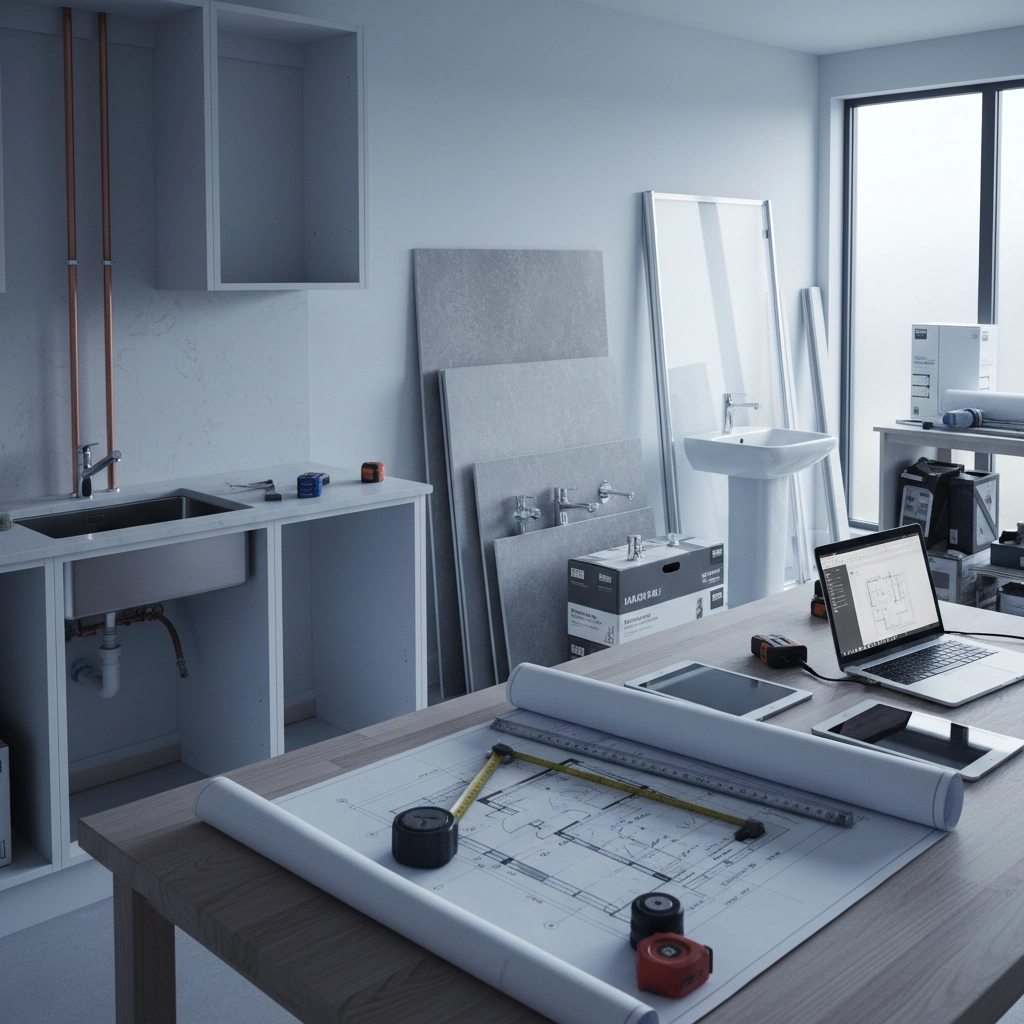
A contractor who specializes in projects similar to yours will have:
Established relationships with the right suppliers
Experience with common challenges in your project type
Refined processes that lead to smoother execution
A crew that understands the unique requirements
For example, bathroom remodeling requires different skills and coordination than deck building. Make sure your contractor's wheelhouse matches your project scope.
2. How Is Your Company Structured and Who Will Actually Work on My Project?
This question reveals a lot about the contractor's professionalism and capacity to manage your project effectively. Understanding their organizational structure helps you gauge their stability and ability to deliver consistent service.
More importantly, find out who will be on-site working on your project. Will it be the owner, a lead carpenter, a project manager, or rotating crews? Knowing this helps you understand:
The skill level you can expect
How much personal attention your project will receive
Who to contact with questions or concerns
How job site security will be handled
A well-structured company should be able to clearly explain their hierarchy and assign specific team members to your project.
3. Are You Properly Licensed, Insured, and Bonded?
This isn't just a formality: it's your protection. A legitimate contractor should readily provide proof of:
Valid state and local licenses
Current general liability insurance
Workers' compensation coverage
Bonding (if required in your area)

Don't just take their word for it. Ask to see the actual documents and verify them with the issuing agencies. This step protects you from liability issues if someone gets hurt on your property or if something goes wrong during construction.
If a contractor hesitates or makes excuses about providing this documentation, that's a major red flag.
4. Can You Provide References from Recent Projects?
Past performance is the best indicator of future results. Ask for references from projects completed within the last year, ideally similar in scope to yours. When you contact these references, ask specific questions:
Was the project completed on time and within budget?
How well did the contractor communicate throughout the process?
Were there any unexpected issues, and how were they handled?
Would you hire them again?
Can I see the completed work?
If possible, visit some completed projects in person. This gives you a firsthand look at their workmanship and attention to detail. A contractor who's proud of their work should be happy to connect you with satisfied customers.
5. How Do You Handle Budget Management and Potential Cost Overruns?
Money matters, and unexpected costs can quickly derail a project. Understanding how a contractor manages budgets and handles overruns is crucial for your peace of mind and financial planning.

Ask about:
How they provide cost estimates
Their process for handling change orders
What contingency they recommend for unexpected issues
How they communicate potential cost increases
Their policy on cost overruns
A professional contractor should provide detailed, written estimates that break down materials, labor, and other costs. They should also explain how they handle situations when problems are discovered (like finding water damage behind walls during a bathroom remodel).
Be wary of contractors who provide vague estimates or seem uncomfortable discussing money. Transparency in pricing is a sign of professionalism and honesty.
6. What's Your Typical Timeline and How Do You Handle Delays?
Time is money, especially when you're living in your home during renovations. Understanding realistic timelines and how delays are managed helps set proper expectations and reduces stress.
Ask about:
Typical timeline for projects like yours
How they coordinate with subcontractors
Their approach to scheduling and project management
How they handle weather delays or unexpected problems
Whether they work on multiple projects simultaneously
A reliable contractor should provide realistic timelines based on their experience with similar projects. They should also be upfront about factors that could cause delays and how they typically handle them.
Remember, the fastest timeline isn't always the best: rushing can lead to mistakes and poor quality work.
7. How Do You Communicate Progress and Handle Problems?
Clear communication is the foundation of any successful construction project. You want to know what's happening, when it's happening, and if any issues arise.

Find out:
How frequently they provide updates
Their preferred communication methods (text, email, phone calls)
Who serves as your main point of contact
How they handle problems when they arise
Whether they provide photo updates of progress
The best contractors keep clients informed throughout the process. They should be responsive to your questions and concerns, and proactive about communicating potential issues before they become bigger problems.
During your initial conversations, pay attention to how well they communicate. Are they responsive? Do they explain things clearly? Do they listen to your concerns? This gives you a preview of how they'll handle communication throughout your project.
Making Your Final Decision
After asking these seven questions, you should have a clear picture of each contractor's capabilities, professionalism, and approach to your project. Don't automatically choose the lowest bid: focus on value, quality, and the contractor's overall fit for your specific needs.

Look for contractors who:
Answer your questions thoroughly and honestly
Demonstrate expertise in your type of project
Show genuine enthusiasm for your vision
Provide clear, detailed estimates and timelines
Make you feel confident and comfortable
Trust your gut. If something feels off during the interview process, it probably won't get better once construction starts. The right contractor should make you feel excited about your project, not anxious about what could go wrong.
Taking time to ask these questions upfront will help ensure your renovation project runs smoothly, stays on budget, and delivers the results you're dreaming of. Remember, a good contractor won't be offended by thorough questions: they'll appreciate working with an informed homeowner who cares about getting things done right.
Ready to start your project? At RRGC General Contracting, we welcome these questions and are always happy to discuss how we can help bring your vision to life. Whether you're planning a kitchen renovation or bathroom remodel, we believe in transparent communication and quality workmanship from start to finish.


Comments